


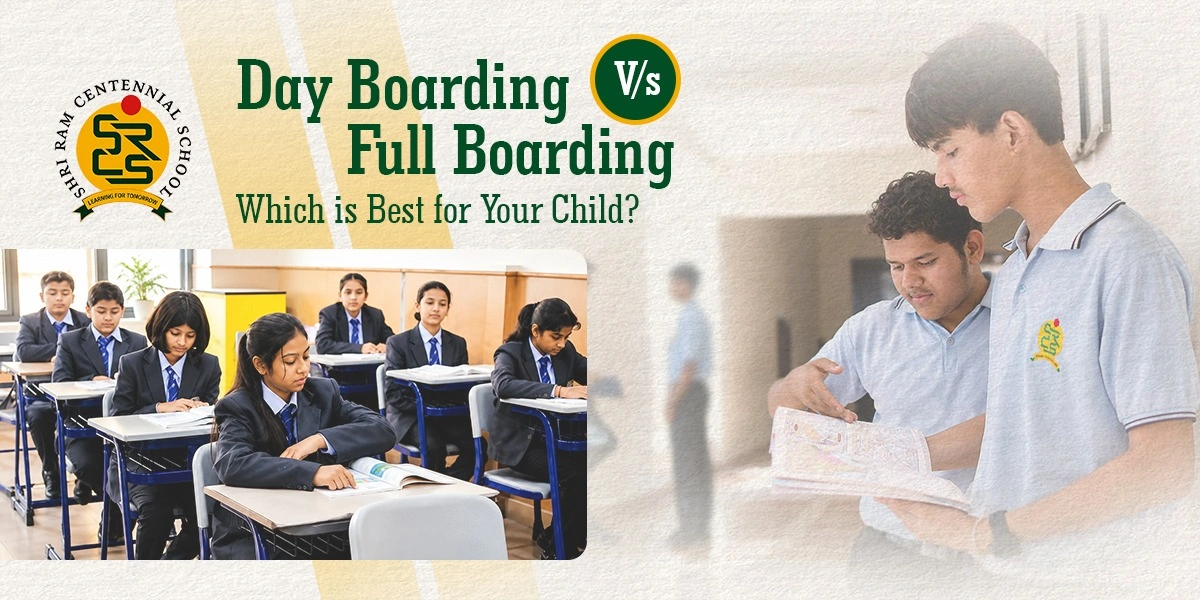
Day boarding suits children who benefit from a structured school day with extended academics and activities, while still returning home each evening. Full boarding suits children who thrive with more independence and are ready to live away from home during term time. The right choice depends on your child's temperament, age, and how much daily family involvement matters to you.
Choosing between day boarding and full boarding is one of those decisions parents often postpone until the last possible moment, mostly because both options sound reasonable on paper. The difference, though, becomes a lot clearer once you look at how each one actually shapes a child's daily routine, and which kind of environment your child is more likely to settle into comfortably.
What Is Day Boarding?
A day boarding school extends the regular school day well beyond typical class hours, often including supervised study time, meals, and extracurricular sessions on campus. Students still return home each evening, which means they get the benefit of a more structured, activity-rich day without actually living away from their families.
This model tends to appeal to parents who want their child exposed to a more disciplined routine and additional academic support, while keeping evenings and weekends firmly rooted at home.
What Is Full Boarding?
Full boarding, on the other hand, means the child lives at school for most or all of the term, staying in a hostel with dedicated wardens and staff overseeing daily life. Meals, study hours, recreation, and even weekend activities are all built into the campus routine.
This setup is generally chosen by families who want their child to build independence early, or who live in locations too far from a preferred school for daily commuting to be practical.
Day Boarding vs Full Boarding: Key Differences
Boarding School vs Day School: Where Day Boarding Fits In
It's worth stepping back for a moment to place day boarding correctly in this picture, since the broader boarding school vs day school comparison often gets simplified into just two categories when there are really three.
A regular day school offers no residential component at all — students attend classes and go home immediately after, with no extended structure built into the afternoon.
Day boarding sits in between — it borrows the discipline and extended engagement of a boarding environment while still letting a child sleep at home every night.
Full boarding takes that structure a step further, with the child living on campus entirely.
Which One Is Right for Your Child?
There isn't a universally correct answer here, and honestly, most parents end up going with instinct as much as logic. However, a few questions tend to help clarify things:
- How does your child respond to being away from family for extended periods, even during short trips or summer camps?
- Is your home close enough to a good school that a daily commute is realistic and not exhausting for your child?
- Does your child need more structure in their day, or do they already manage their time well at home?
- Are you looking for early independence-building, or would you prefer to stay closely involved in daily routines for a few more years?
- Would your child benefit from staying connected to family and friends outside school every single day?
Younger children, especially those under ten, often settle into day boarding more comfortably, since it offers structure without the emotional adjustment of living away from home. Slightly older children, particularly those who already show some independence, tend to adapt to full boarding with fewer difficulties.
Why Day Boarding Works Well at Shri Ram Centennial School?
Shri Ram Centennial School offers both day boarding and full boarding under one roof, which gives families the flexibility to choose based on what actually suits their child, rather than being locked into a single format from the outset.
As a well-established day boarding school in Dehradun, SRCS structures its day boarding programme around extended academic support, supervised study hours, and a full range of co-curricular activities, so students get a genuinely enriched school day before heading home each evening.
A few things that stand out about the day boarding setup at SRCS:
- A low student-teacher ratio of 10:1, allowing for more individual attention during extended school hours
- Access to the same sports infrastructure and hostel-linked facilities used by full boarding students
- A CISCE-affiliated curriculum that maintains academic rigour throughout the extended day
- The option to transition into full boarding later, without changing schools, if a family's circumstances or preferences shift
For families still comparing options across the city, our previous coverage of the top day boarding schools in Dehradun is a useful starting point, particularly for understanding how different schools structure their day boarding programmes.
Conclusion
Both day boarding and full boarding have advantages of their own, and neither is inherently the “better” choice — it really comes down to your child's readiness for independence, your family's daily routine, and how much structure your child needs beyond regular classroom hours. Day boarding offers a middle ground that many families find works well, particularly in the early years, while full boarding suits children who are ready for a more independent, fully residential experience.
Shri Ram Centennial School's approach to this decision reflects exactly this kind of flexibility. By offering day boarding, weekly boarding, and full boarding options within the same CISCE-affiliated campus, SRCS allows families to choose the format that fits their child today, with the reassurance that the school's structure, faculty, and facilities remain consistent regardless of which path they choose. For parents in Dehradun weighing this decision, that flexibility often turns out to be the most practical starting point of all.