

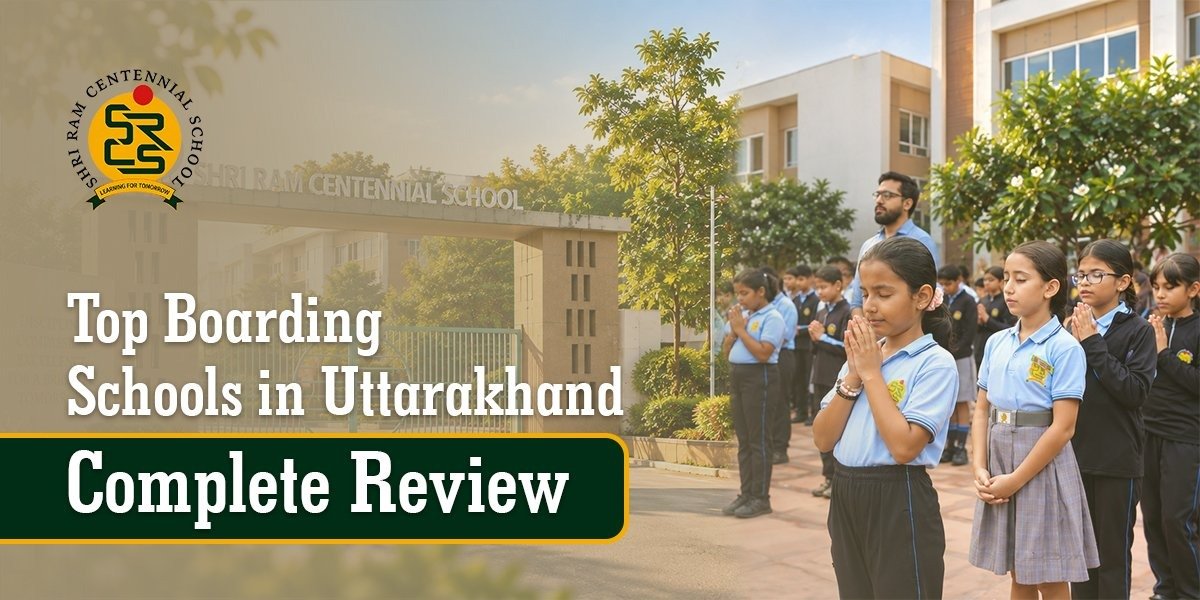
Uttarakhand has built its reputation on boarding education over nearly a century, and it isn't hard to see why. The Himalayan foothills give schools room to spread out — real campuses with real forests and rivers instead of a single building on a busy street. Add in a long list of institutions known for strong academics, disciplined daily routines and a genuine focus on all-round development, and it's easy to understand why boarding schools in Uttarakhand keep showing up on parents' shortlists year after year, whether they're local families or ones relocating from other states entirely.
But the right boarding school depends on more than reputation. Curriculum fit, academic track record, fee structure, hostel facilities, pastoral care, safety systems and the range of sports or extracurricular options all matter together — not any single factor in isolation. And what works well for one child may not suit another.
Why Choose a Boarding School in Uttarakhand?
A few things consistently draw families toward residential schools Uttarakhand has to offer, and most of it comes down to these factors:
• A peaceful, low-distraction setting away from city noise
• Experienced teaching staff, many with years at the same institution
• A structured daily routine that builds discipline early
• Strong sports and extracurricular infrastructure, often better than what a day school can offer
• Character development through hostel life, leadership roles and community living
• Modern residential facilities, from smart classrooms to upgraded hostel blocks
Top Boarding Schools in Uttarakhand
Shri Ram Centennial School, Dehradun
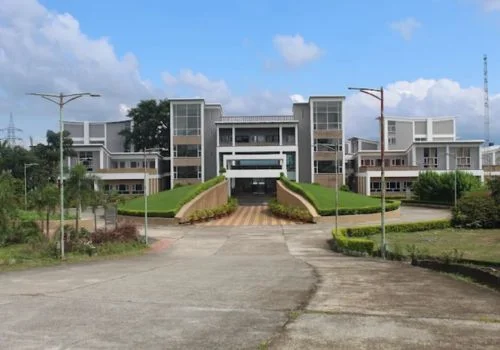
Located on Shimla Bypass Road in Sherpur, Dehradun, SRCS follows the ICSE (CISCE) curriculum across Pre-Nursery to Class 12. It offers both day boarding and full residential boarding on a 25-acre campus with smart classrooms, STEM labs and sports facilities.
The school has often been called the best boarding school Uttarakhand has to offer by a majority of parents. Its major strength lies in blending academic rigour with character-building programmes and a comparatively low student-teacher ratio. It suits families who want the flexibility to choose between day boarding and full residential life as their child's needs change.
Kāsiga School, Dehradun
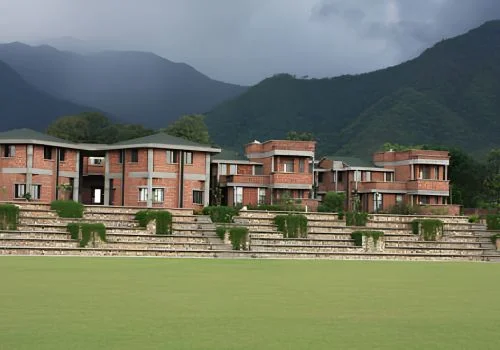
Kāsiga is a co-educational boarding school for Classes IV to XII, offering both CBSE and Cambridge IGCSE/AS/A-Level pathways. Facilities include modern science labs, smart classrooms and extensive sports infrastructure.
The school’s key strength is curriculum flexibility paired with a genuine emphasis on sport and leadership. It is ideal for families who want the option of an international-style curriculum without leaving the CBSE track entirely.
The Doon School, Dehradun
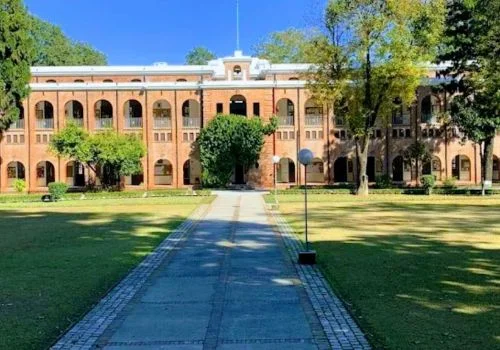
One of India's oldest and most prestigious institutions, The Doon School has operated since 1935 on a 70-acre campus on Mall Road. It's an all-boys full boarding school, admitting through a competitive scholarship entrance exam (DSSE) for Class VII and VIII entry. Its seven Centres of Excellence form the backbone of school life.
The school’s strengths include historic academic prestige and an extensive global alumni network. It is best suited to families seeking a highly selective, academically demanding all-boys boarding environment.
Welham Boys' School, Dehradun
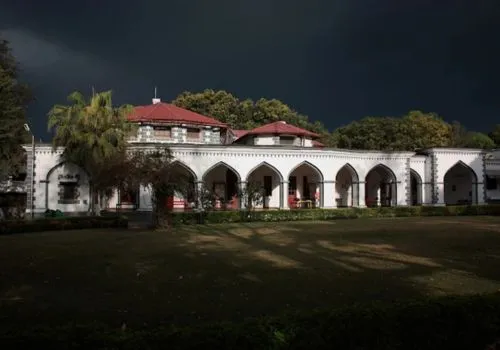
Established in 1937, Welham Boys' School sits on a 30-acre wooded campus in Dalanwala, offering CBSE-affiliated education for Classes 4 to 12. It's a full residential, boys-only boarding school with hostel life organised through a housemaster-housemother system for each residential house.
The school’s strength lies in close pastoral supervision and a well-developed Learning Resource Center. It is suitable for families who want a boys' boarding school built around strong, structured pastoral care.
Woodstock School, Mussoorie
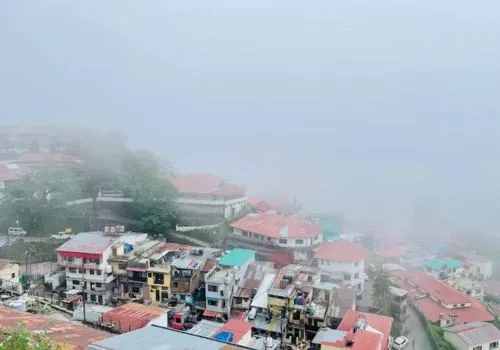
Founded in 1854 and set at roughly 7,000 feet in Landour, Woodstock is a co-educational school offering the IB curriculum (MYP and Diploma Programme) along with a US High School Diploma pathway. Boarding begins from Grade 6 onward, across a 250-acre campus.
The school’s main strength is a genuinely international, IB-aligned education with a strong outdoor and global-community focus. Ideal for families wanting an international curriculum with a diverse, globally minded student body.
Quick Comparison of Boarding Schools
| School | Location | Board | Boarding Type | Key Strength |
|---|---|---|---|---|
| Shri Ram Centennial School | Dehradun | ICSE (CISCE) | Day boarding + full boarding | Flexible boarding with personalised attention |
| Kasiga School | Dehradun | CBSE / Cambridge | Full boarding, co-ed | Curriculum flexibility + strong sports |
| The Doon School | Dehradun | ICSE / IB | Full boarding (boys) | Historic academic prestige |
| Welham Boys' School | Dehradun | CBSE | Full boarding (boys) | Strong pastoral care and house system |
| Woodstock School | Mussoorie | IB (MYP/DP) | Full boarding from Grade 6, co-ed | International curriculum + outdoor education |
How Were These Schools Reviewed?
Putting a list like this together isn't just a matter of going by name recognition. Each school here was looked at against a consistent set of factors, and it's worth understanding what each one actually means in practice:
• Academic reputation — not just board exam results but how consistent that performance has been over several years, since a single strong batch doesn't tell you much about the school's actual teaching approach.
• Faculty quality — how long teachers tend to stay at the school, since high turnover in a boarding environment usually disrupts the continuity a child needs, especially in the early years of hostel life.
• Hostel and dining facilities — the physical condition of dorms and mess halls, but also things like room-sharing arrangements, dietary options and general cleanliness standards, since this is where a child actually spends most of their day outside class.
• Student safety — the presence of CCTV, restricted campus access, staff-to-student ratios in hostels at night and how the school has historically handled safety concerns when they've come up.
• Sports and activities — not just the number of sports offered but whether facilities are genuinely usable day-to-day or mostly there for prospectus photos.
• Pastoral and medical care — how accessible a housemaster, counsellor or school nurse actually is and what the process looks like if a child needs medical attention outside regular clinic hours.
• Parent communication — how often the school proactively updates parents versus only responding when parents reach out first, which matters a lot more once your child is living away from home.
• Fee transparency — whether a school lays out its complete cost structure upfront or whether parents only discover additional charges after admission is already confirmed.
How to Choose the Right Boarding School
With so many good schools to pick from, the deciding factor usually isn't which one has the best facilities on paper; it's which one actually fits your child.
• Start with your child's actual learning needs, not just the school's ranking.
• Compare curricula carefully — CBSE, ICSE and IB prepare students quite differently.
• Visit the campus in person before making any decision.
• Ask specifically how hostel supervision is structured, not just whether it exists.
• Check safety protocols and on-campus healthcare arrangements directly.
• Get the complete fee structure, including one-time and recurring charges.
• Speak to current parents or students if the school allows it.
Questions to Ask During a Campus Visit
A campus visit tells you far more than any website or brochure can, but only if you ask the right questions while you're there. Here are a few worth bringing up directly with the school.
• What's the actual teacher-student ratio in the classes my child would join?
• How is hostel supervision structured at night and on weekends?
• What's the school's protocol during a medical emergency?
• What does a typical daily routine look like for a boarding student?
• What kind of academic support exists for a student who's struggling?
• How often and through what channels does the school update parents?
Conclusion
Choosing among boarding schools in Uttarakhand really comes down to matching a school's academic style, pastoral structure and daily routine to what your child actually needs — not just to a name on a list. Curriculum, hostel supervision, safety systems and fee transparency all deserve equal weight in that decision, and no single school on this list is the right fit for every child.
Shri Ram Centennial School fits into this comparison as a school built around flexibility — offering both day boarding and full residential boarding on the same 25-acre campus so families aren't locked into one format if their circumstances change. Its ICSE curriculum, smaller class sizes, and focus on personalised attention make it a solid option to shortlist alongside the others here, particularly for parents who want room to adjust their child's boarding arrangement as they grow. Before finalising any decision, it's worth visiting SRCS's campus directly and comparing what you see against your child's specific needs.
FAQs
1. Which are the top boarding schools in Uttarakhand?
Several schools stand out for different reasons — SRCS, Kāsiga, The Doon School, Welham Boys' and Woodstock all offer strong but distinct approaches. There's no single best one; it depends on curriculum, budget and what your child needs.
2. What is the average fee for a boarding school in Uttarakhand?
Fees vary widely by curriculum, class and accommodation type — from a few lakhs a year at more affordable schools to well above ₹15–20 lakh a year at premier institutions. Always confirm current figures directly with each school.
3. Which boards are available in Uttarakhand boarding schools?
Most schools follow CBSE or ICSE (CISCE), while a smaller number, like Woodstock, offer international curricula such as the IB Diploma Programme.
4. Are boarding schools suitable for younger children?
It depends on the child's emotional readiness and independence and equally on how strong the school's pastoral-care system is. Some schools accept boarders from Class 4, while others start later, at Grade 6 or above.
5. What facilities should parents check before admission?
Hostel supervision, security protocols, on-campus healthcare, academic support systems, sports infrastructure, and access to counselling all deserve a direct look before enrolling.